How to Sell Land To A Developer in Washington
Land To A Developer: What Washington Landowners Should Know
Deciding to sell your land to developers is one of the most significant financial decisions you can make as a property owner in Washington. Done well, it can unlock substantial value that a traditional sale of land to a private buyer simply cannot match. Developers purchase parcels to build residential communities, retail centers, and sometimes a custom home subdivision, meaning they often pay a premium for the right location. This guide walks you through what to expect, what Washington law requires, and how to protect your interests from the first conversation with a developer all the way through closing.
Land Sale in WA: Background and Context
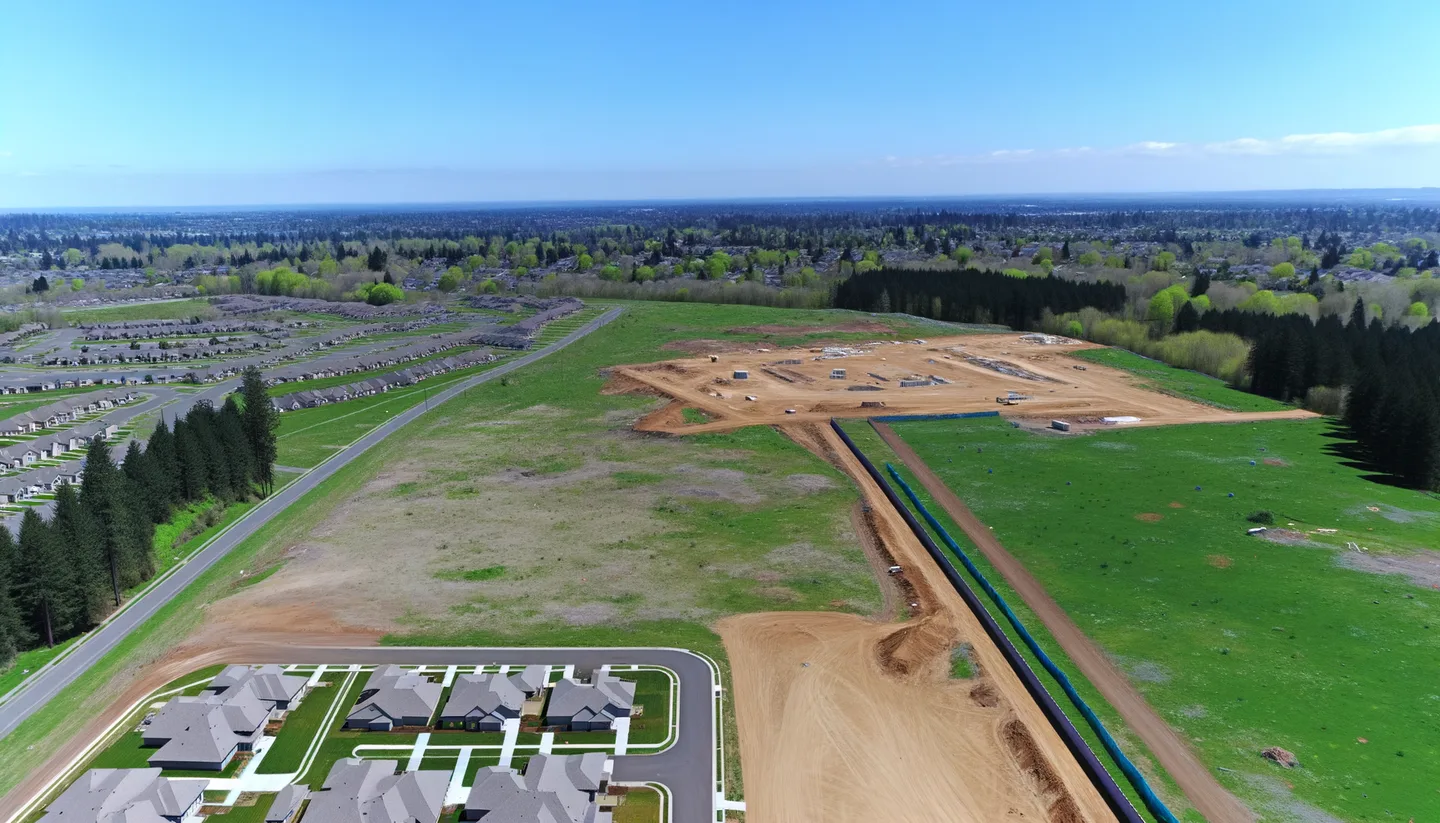
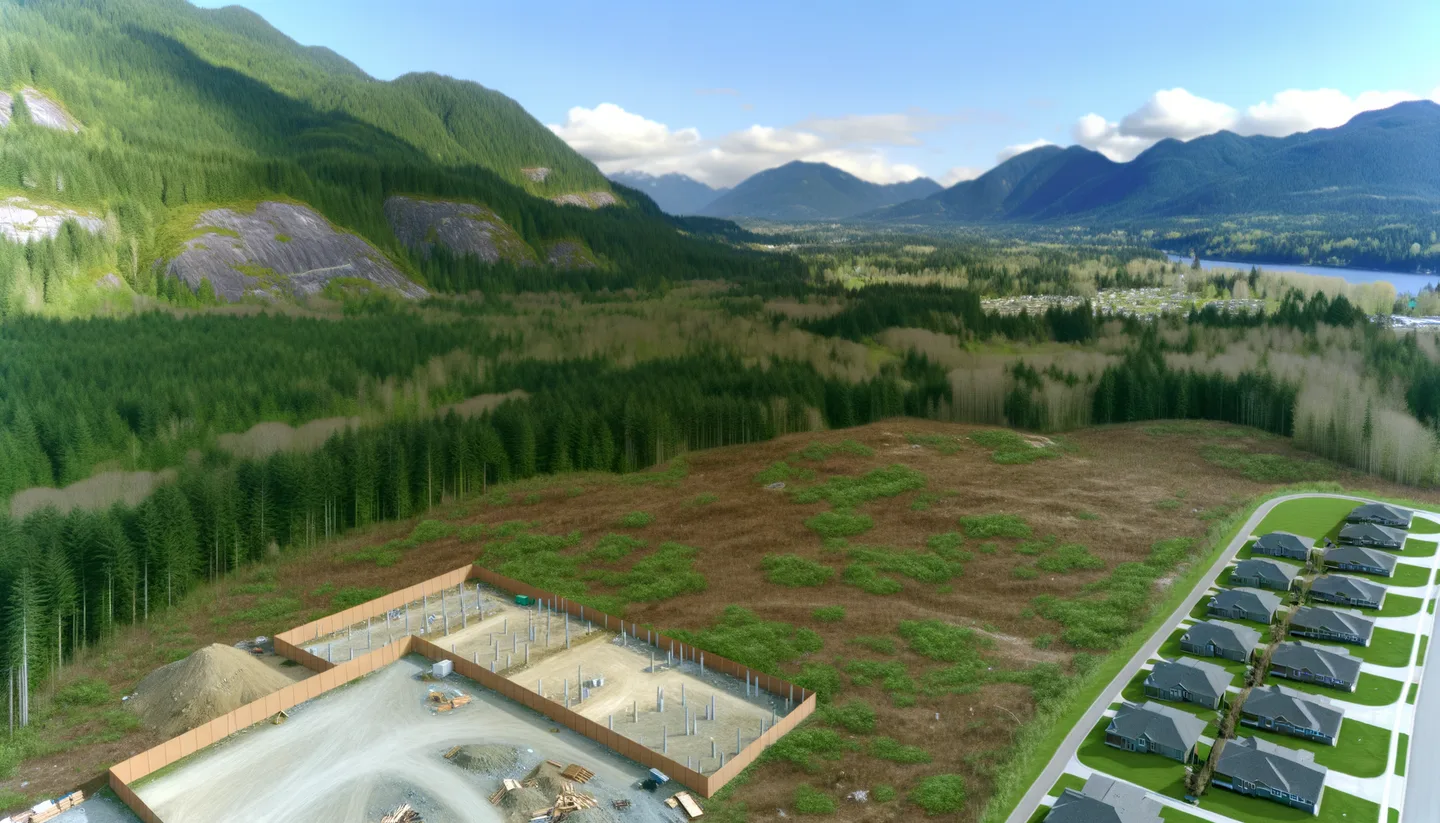
For landowners looking to sell in Washington’s competitive real estate environment, the developer market presents a genuinely different path than listing with a real estate agent or marketing to individual buyers. Understanding that difference starts with knowing what developers want and why they pursue certain parcels over others.
Developers are skilled at identifying properties where the land value can be multiplied through construction or subdivision. They analyze zoning, proximity to utilities, access to roads, and future development potential before making an offer. That means the value of your property in their eyes may be very different from its current market value as vacant land, sometimes much higher, sometimes complicated by site constraints.
Developers keen on a particular corridor will often approach property owners directly, especially when land selling activity picks up in a growing region. If a developer expresses interest in your parcel, that is worth taking seriously, but it does not mean you should accept the first number offered. Landowners looking at this path should understand the development process before committing, because selling to a developer involves more steps than a typical residential transaction.
Unlike selling a house with a clear comparable sales history, vacant land often lacks straightforward benchmarks. The development projects a buyer plans to pursue, the entitlement risk they are taking on, and current market conditions all affect what they will pay. When you tell us about your land, we look at those same factors to give you an honest picture of developer interest and what the sale of your property could realistically generate. Capital gains tax treatment is also a major consideration, something covered in detail later in this article, so property owners should build that into their thinking early. There is more than one way to sell, and the right path depends on your timeline, tax situation, and the development land potential your parcel holds.
Step-by-Step: How to Sell Land To A Developer in Washington
If you are ready to sell land to a developer, a clear process helps you avoid costly mistakes and negotiate from a position of knowledge.
1. Understand what you own. Start by reviewing your parcel’s zoning and land use designation. Zoning and land use rules determine what a real estate developer can legally build, which directly affects what they will pay. Check with your county or city planning department, and pull your current tax classification to see if the property qualifies under any current-use program.
2. Get an independent valuation. Do not rely solely on a developer’s estimate of property value. A commercial real estate appraiser familiar with the local real estate market can give you an objective baseline. This is especially important for undeveloped land, where valuation methods differ from residential sales.
3. Identify your potential buyers. Research builders and developers active in your area. Many developers specialize by project type, residential subdivisions, commercial retail, industrial, or mixed-use land development. Matching your parcel to the right type of buyer improves your leverage. List your property online through platforms that reach active land buyers, and consider direct outreach to developers whose recent projects suggest they might be interested.
4. Consult a real estate attorney. One of the most common pitfalls of selling land without legal guidance is agreeing to option contracts or purchase agreements that heavily favor the buyer. An attorney experienced in Washington land transactions can review contingency language, due diligence periods, and closing timelines before you sign anything.
5. Negotiate the terms, not just the price. Owning land that a developer wants gives you negotiating power beyond the purchase price. Consider earnest money amounts, the length of the due diligence period, and who bears the cost of environmental studies or surveys. Landowners who wonder “how do I sell my land fast?” find that having these terms clearly defined upfront actually speeds up the process, sometimes closing a land sale in as little as 2 weeks when both parties are prepared.
6. Close carefully. Confirm all required state and local filings are in order, including REET affidavits, before the closing date. Market conditions can shift, so keep communication with your buyer active through to the final land sale signature.
Washington-Specific Considerations for Selling Land To A Developer
The process of selling land in Washington comes with state-specific rules that can significantly affect your net proceeds. Understanding these before listing your property can prevent expensive surprises.
Real Estate Excise Tax (REET). Washington imposes a graduated REET on most land transactions. According to the Washington Department of Revenue, the rate structure (effective January 1, 2023) is 1.10% on the portion up to $525,000; 1.28% from $525,000.01 to $1,525,000; 2.75% from $1,525,000.01 to $3,025,000; and 3.00% on anything above $3,025,000. Sellers are primarily responsible for this tax, and it is due on the date of sale regardless of when the deed records. If unpaid within one month of sale, a 5% penalty applies. Most local jurisdictions also layer on an additional 0.25% to 0.50% in local REET, so factor both into your net calculation.
Current-use classification. Selling land for development when your parcel is enrolled in Washington’s Open Space Taxation Act program (Chapter 84.34 RCW) can trigger significant back taxes. If the purchasing developer does not sign a Notice of Continuance, you may owe additional taxes for up to seven years plus a 20% penalty on the additional tax owed. The value of your land for tax purposes could increase substantially at the moment of sale, so consult a tax advisor early in the selling process.
Growth Management Act (GMA) and zoning laws. Washington’s GMA requires counties to designate Urban Growth Areas. Land for development outside a UGA faces serious restrictions, which directly affects what developers are looking for and how much they will pay. Real estate development activity is concentrated inside those boundaries, so understanding your parcel’s designation matters. If you own land in an area like Benton County, local growth boundaries can vary considerably from those in urban western Washington counties.
The commercial property potential of your parcel and any potential land use entitlements a developer might pursue will be shaped by these local designations. Developers often conduct their own due diligence on these issues, but sellers who understand the sale process going in are far better positioned to negotiate.
Selling Land To A Developer FAQ
Related Resources
- How to Sell Land Fast in Washington
- How to Sell Land Online in Washington
- How to Sell Land Without A Realtor in Washington
- How to Sell Vacant Land Without A Realtor in Washington
- Tax On Selling Land in Washington: What You Need to Know
- How to Sell Inherited Land in Washington
Sell Your Washington Land
How much will a developer pay for land?
There is no single answer, because what a developer might pay depends on location, zoning, size, and what they plan to build. Properties in your area that have recently sold to developers can provide a rough benchmark, but the best indicator is the potential for development your specific parcel offers. A site with utilities, road access, and favorable zoning inside an Urban Growth Area will command significantly more than undeveloped rural acreage. Getting an independent appraisal before entering negotiations gives you a credible anchor for your asking price.
Why do farmers sell their land to developers?
Many farmers sell because development pressure raises land values well beyond what agricultural income can justify holding. When sales to developers in a region drive comparable sales prices upward, continuing to farm can become financially inefficient. It is worth noting that agricultural land classified under RCW 84.34 or RCW 84.33 is taxed at a flat REET rate of 1.28% rather than the graduated structure, but owners still need to account for potential back taxes if current-use classification is removed at the time of sale.
Can you sell land to a developer without a solicitor?
In Washington, there is no legal requirement to hire an attorney for a land sale. That said, developers use experienced legal and acquisition teams when buying, and sellers who go in without representation often agree to terms that favor the buyer. For any transaction with a significant earnest money structure, option period, or development contingency, having a real estate attorney review the contract is strongly recommended. The cost is minor relative to the deal size.
Can I sell my land to developers?
Most landowners can sell to developers, provided the title is clear and the parcel meets the buyer’s requirements. Developers looking for specific zone designations, minimum lot sizes, or infrastructure access will narrow their interest accordingly. If your property is zoned for residential, commercial, or mixed-use development, your chances of attracting developer attention are higher. Even rural parcels can generate interest from developers focused on large-lot residential or agricultural projects. The key is knowing which zone your land falls into and targeting the right buyers. Local real estate professionals familiar with land acquisition in your area can help identify which potential developers are active nearby.
How to avoid paying capital gains when selling land?
Washington’s state capital gains tax explicitly exempts real estate sales, according to the Washington Department of Revenue, so sellers of land are not subject to the state-level tax. Federal capital gains tax still applies. Land held for more than one year qualifies for long-term capital gains rates of 0%, 15%, or 20% depending on income. Selling to developers after reaching that one-year threshold, using a 1031 exchange into like-kind property, or working with a tax advisor on installment sale strategies are all options worth exploring before closing. Many land buyers can structure deals to accommodate an installment arrangement if that benefits your tax situation.
Your Options for Selling Land To A Developer in WA
Selling raw land in Washington is more complex than a typical home sale, but it is also a genuine opportunity to unlock value that other buyers simply cannot offer. Whether you are early in the research phase or ready to move, doing your due diligence on zoning, tax obligations, and buyer credibility will protect your interests and improve your outcome. A qualified real estate professional familiar with Washington’s land market can guide you through each stage.
If you own a parcel in the western or eastern part of the state, including areas like Bremerton where development activity has been growing, and want an honest conversation about your options, we are here to help. Reach out whenever you are ready, with no pressure and no obligation.
Need to sell your Washington land? We buy land directly from owners for cash, with no fees, no commissions, and we close in as little as 2 weeks.
Loading form…
Sell Your Washington Land for Cash
Ready to sell? We buy land directly from owners across Washington. Get a fast, no-obligation cash offer.